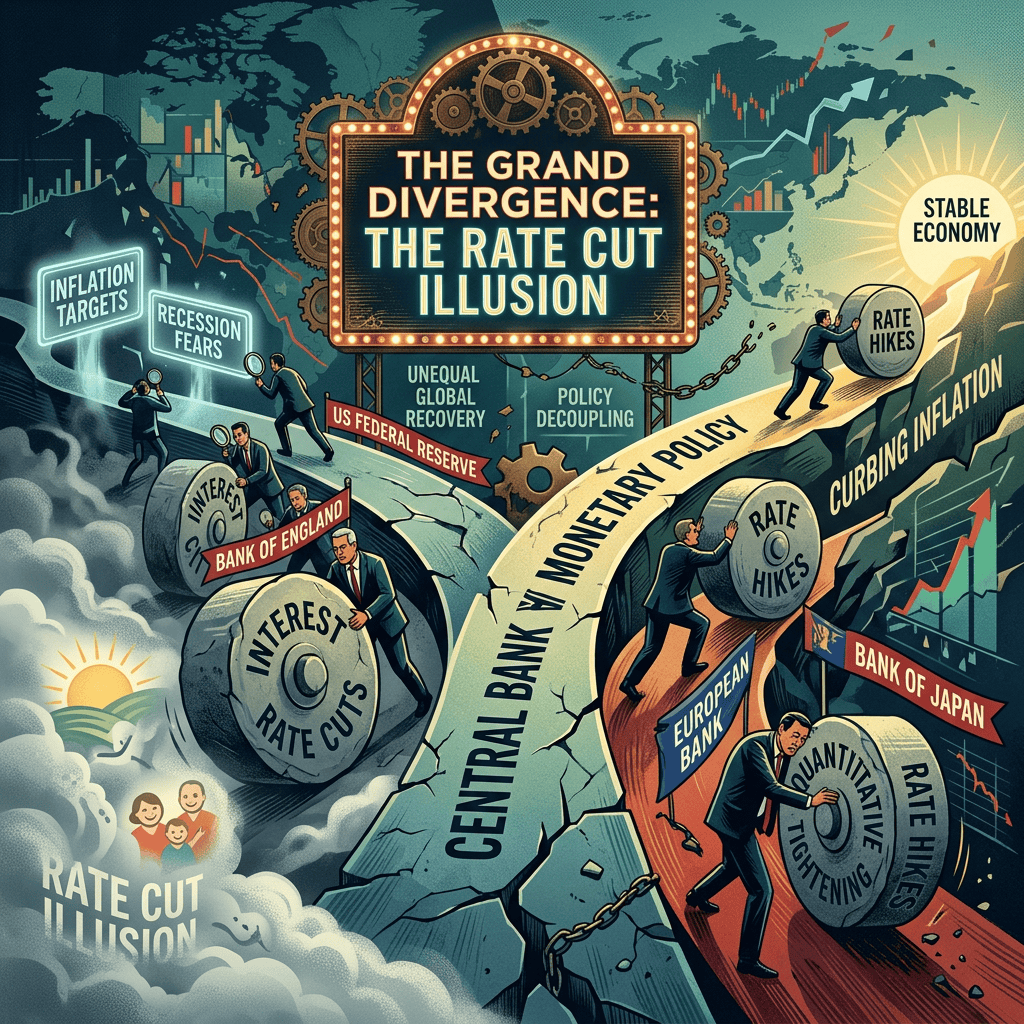
Global inflation has moderated from its 2023–2024 peaks, yet it remains structurally above pre-pandemic norms. Recent U.S. CPI data suggests easing price pressures, increasing expectations of a Federal Reserve rate cut later this year. However, markets may be underestimating structural inflation drivers.
Why Inflation Is Stickier Than Expected
- Wage Rigidity: Labor markets remain historically tight.
- Energy Risk Premium: Ongoing geopolitical instability supports a structural oil floor.
- De-globalization Costs: Supply chain re-regionalization increases production costs.
Meanwhile, Europe faces weaker growth with persistent services inflation, while China continues to struggle with property-sector fragility and subdued domestic demand.
Financial Implications
- Yield curves remain volatile.
- Corporate refinancing risk peaks in 2026–2027.
- Credit spreads could widen if growth disappoints.
For finance leaders, liquidity planning and debt maturity management are paramount. The cost of capital is unlikely to return to the ultra-cheap era of the 2010s. The new baseline assumption: structurally higher rates.


Laisser un commentaire